Healing Our Relationship with Money in Order to Raise More
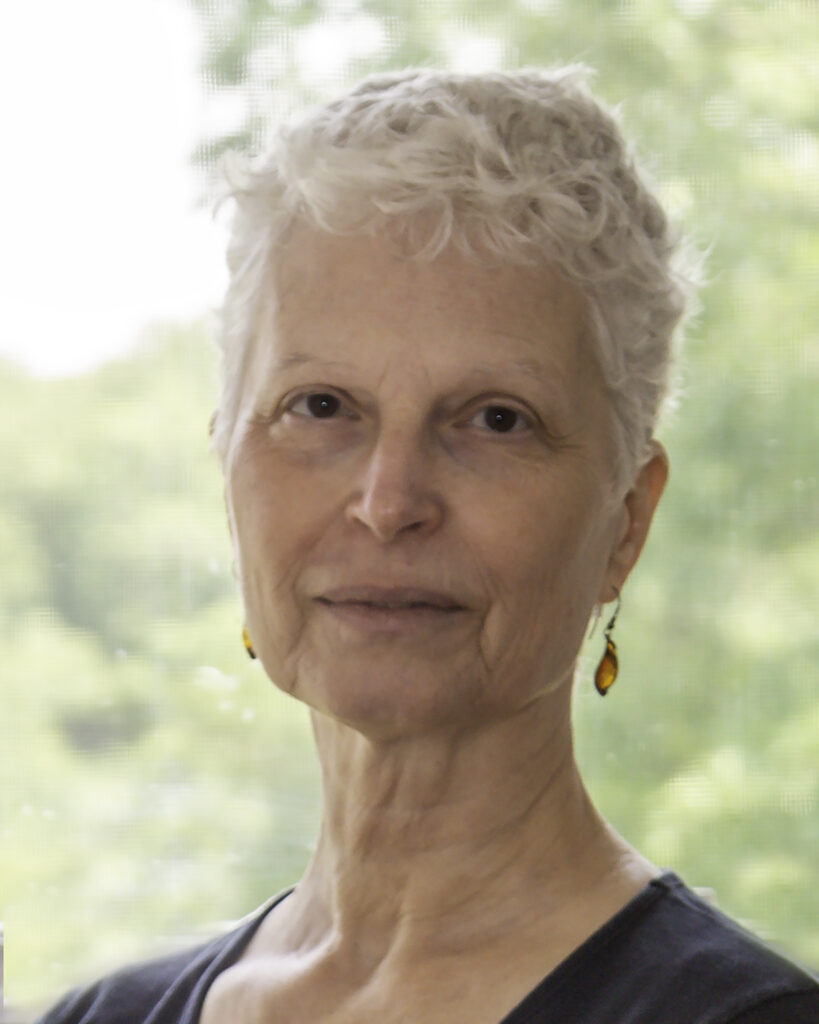
Beth G. Raps, PhD, Founder, RAISING CLARITY
Topic: Fundraising & Development
Audience: Nonprofit Organizations, Executive Directors, Finance Staff, Board Members, Volunteers
Skill Level: Beginner, Intermediate, Advanced
Learning Objectives
- Teaching nonprofit staff, Board, and volunteers how to see and heal their relationship with money in order to help them raise more, hold on to more, spend and invest more wisely—in their organizations especially, but the teaching will inevitably also help them in their personal lives.
- Giving these same participants the tool of knowing and being able to identify the 8 money coaching “archetypes,” i.e., the voices in our heads around money, which are easy to hear once you know how to identify them–and very helpful to observe when making responsible decisions around money usage in nonprofits (and of course in our daily lives as well).
- Last, simply giving these same participants a rare safe space to talk about *all* their feelings with regard to money, lowering the pressure on them to always feel a certain way about it, because the lack of safe space and the pressure can then lead to a dichotomizing split in their conscious ways of handling money vs. their unconscious ways of sabotaging prosperity in the nonprofit they are responsible for. We won’t spend a lot of time probing the unconscious in this Learning Lab. This isn’t money therapy, it’s a Learning Lab that uses money coaching to help bring awareness of harmful and helpful patterns we ourselves can learn to see and to change in our own nonprofits. This is work I am certified to do by the Money Coaching Institute, and have been doing since 2012
Brief Summary
In this Learning Lab, you’ll enjoy a safe space in which to talk about *all* your feelings regarding money. You’ll learn that these are called “archetypes” in money coaching, and you’ll learn about each archetype, then get to take the official Money Coaching Institute’s quiz identifying your own archetypes. You’ll learn more about how each one plays out in your own life, then spend the majority of our time together observing, with compassion, how they play out in your nonprofit in ways that may have held it back financially or fundraising-wise. You may have already observed some of these patterns and wondered how, if ever, they could be changed. Working in this Learning Lab with a money coach certified to work with nonprofits—who is also a fundraiser and fundraising consultant of 40+ years—will give you fresh, accurate language, concepts, and clear, detailed, actionable ideas for identifying and changing the patterns you see that have been holding back your nonprofit.
Detailed Summary
Learners will work with me in a group money coaching session to do the following, in the following order:
- Learn what money coaching is: a way to heal our own relationship with money, specifically in this case, so we can raise more, hold onto more, spend more and invest more wisely. Specifically, in fundraising, bringing consciousness to our money relationship helps us put our donors at ease if we are making face-to-face asks, and if we are making appeals of any kind (at events; on social media; in crowdfunding, videos, or emails; in hard copy) helps us ask more boldly and at the same time, more relaxedly.
- Although money coaching consists of several core activities we learn as certified coaches to lead, this Learning Lab will focus only on an activity using the 8 moneycoaching archetypes, which I call “the voices in our head around money.” Learning how to identify these voices helps us observe them not only in our thoughts but importantly in our actions regarding finance and fundraising in our nonprofits, helping us reduce triggers to overspend or underspend, and implementing wiser ways to ask for money, make money (raising, investing, earned income), and spend money as nonprofit staff, Board, and volunteers.
- I’ll give the moneycoaching archetype quiz out as a paper handout. This is an *amazing* tool I’m certified to use for identifying our own archetypes.
- I’ll help the group score their quiz. They will take this home with them; it can be re-taken throughout one’s life to observe one’s progress healing the relationship with money.
- We’ll discuss what the results mean—who are these voices in our heads?
- Next, I will touch on how I advise we approach each voice—both the healthy ones and the unhealthy ones. I’ll share briefly, as an experienced coach, how—as individuals–we can start to heal the unhealthy ones and strengthen the healthy ones. I’ll do this briefly so as to leave more time for addressing how this plays out in our nonprofits.
- I’ll spend a majority of our discussion time on how–as people responsible for the financial health of our nonprofits—we can put this learning to use in our nonprofits. Guidance and direction on my part will emphasize noticing financial patterns overall (chronic withholding or overspending, for example); examining how we value money, fundraising, finance, and donors; and specifically our fundraising behaviors (underasking, inaccurate assumptions about donors, for example), as well as responding to issues that arise from the Learning Lab’s own participants in discussion.