
The Real ROI of Doing Good: How Nonprofits Can Measure, Quantify, and Monetize Outcomes
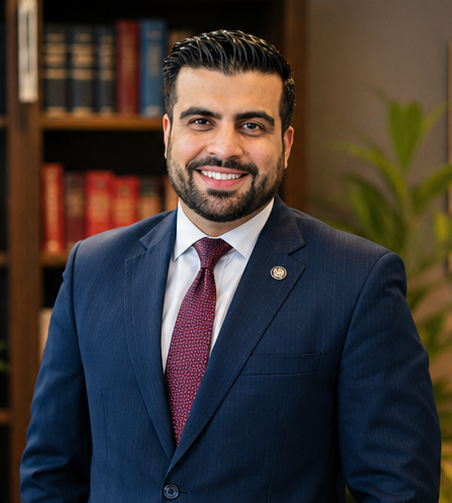
Hashim Pashtun, Senior Impact Analyst, Weisenborn Ready
Hashim Pashtun, Senior Impact Analyst, Weisenborn Ready
Topic: Measuring Impact
Audience: Nonprofit Organizations, Grantmaking Organizations, Executive Directors, Board Members, Marketing/Communications
Skill Level: Intermediate, Advanced
Learning Objectives
- Distinguish between outputs, and long-term impact, and identify why traditional nonprofit reporting often fails to capture full organizational value.
- Apply Social Return on Investment (SROI) principles to quantify and monetize nonprofit outcomes in ways that resonate with funders, donors, policymakers, and community partners.
- Develop practical strategies to communicate impact through storytelling, fundraising proposals, public relations efforts, annual reports, and partnership development.
Brief Summary
Nonprofits are often asked to prove their value through metrics such as people served, programs delivered, or dollars spent, but these outputs rarely tell the full story of impact. How do organizations demonstrate the broader economic, social, and community value they create?This interactive workshop introduces nonprofit leaders to practical tools for measuring, quantifying, monetizing, and communicating impact using Social Return on Investment (SROI) principles. Participants will learn how to move beyond traditional reporting metrics and better capture outcomes such as improved health, workforce readiness, educational attainment, reduced poverty, stronger communities, and long-term economic benefits, giving them a $ value. Drawing from real-world projects in the public and non-profit sectors, this session will demonstrate how organizations can translate outcomes into compelling data that attracts funders, strengthens partnerships, improves strategic decision-making, and supports advocacy efforts.Participants will leave with practical frameworks and tools they can immediately apply to better communicate their organization’s true value to donors, foundations, government agencies, boards, and community stakeholders.